Presentation
Blockchain Principal Engineer, travelling and DIY hobbyist
Formerly founder, CTO and government pentester.
I was recruited by the French government at 20 through international CTF competitions and worked there full time while completing my engineering degree. Offensive security put me in front of a wide range of architectures and taught me to think across the OSI layers, from interfaces and application logic through cryptography, networking, low-level protocols, and hardware security.
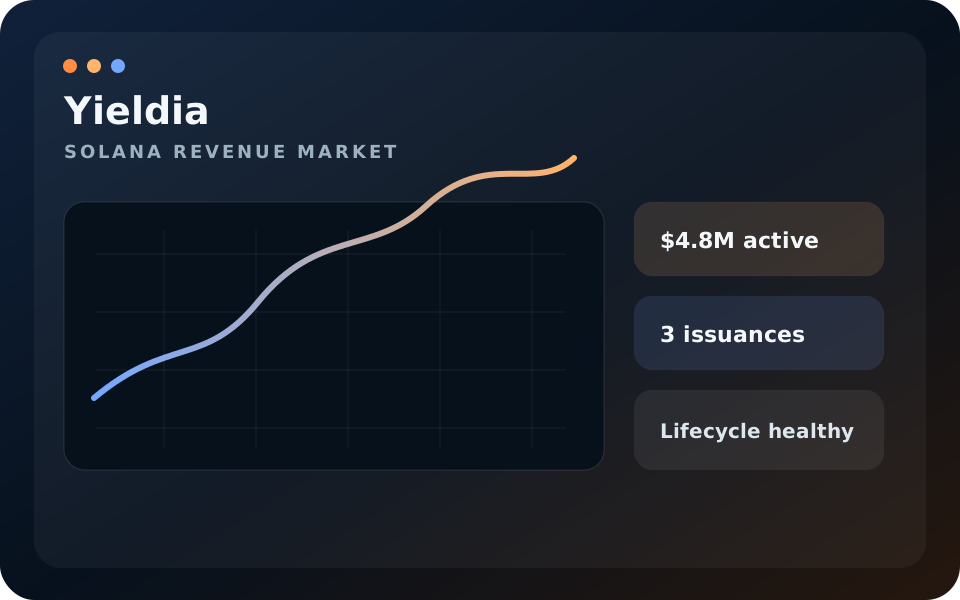
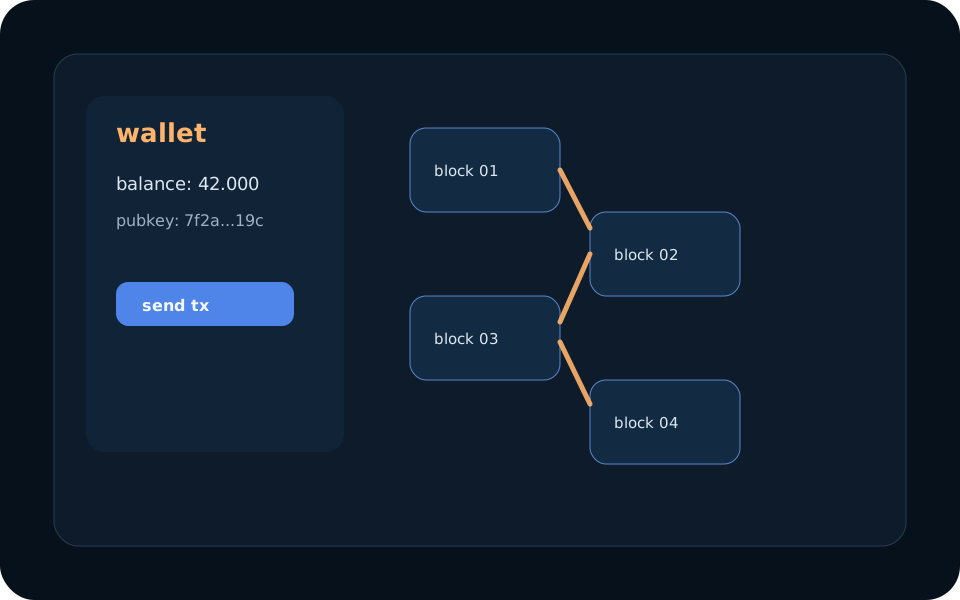
That diversity is why blockchain felt like the right place. It sits at the frontier of technology because it demands fluency across the full stack, from designing protocols and infrastructure to engineering high-performance execution systems, while making economics, incentives, and market structure part of the architecture itself. The interesting work is in how protocol, execution, and incentives sit with each other. Today I focus on Ethereum and Solana blockchains, especially cross-chain infrastructure, trading systems, and market design around proprietary AMMs and CLOB-style execution, where performance and cost optimisation are central.
I am most at home building products from the ground up. I have scaled engineering from 0 to 10 engineers, taken products and teams from ideas to production, led technical investor diligence, and raised more than $13M from pre-seed through seed with S-tier investors. I moved constantly between research, engineering, and management.
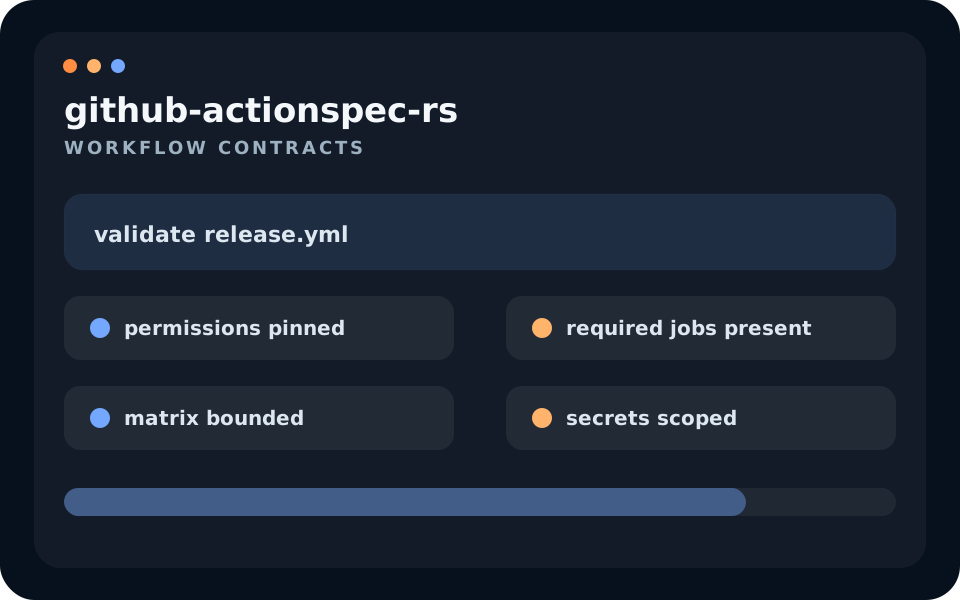
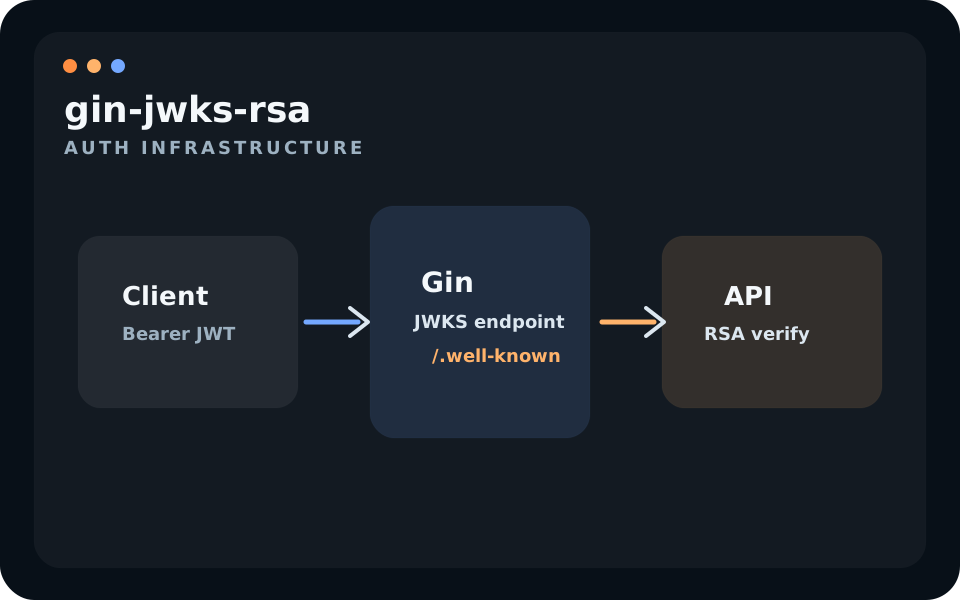
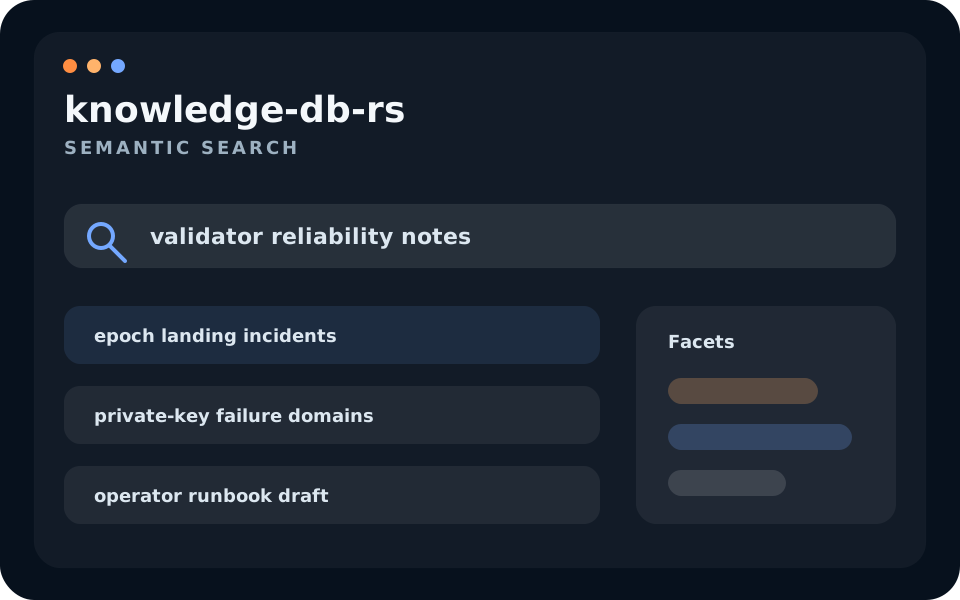
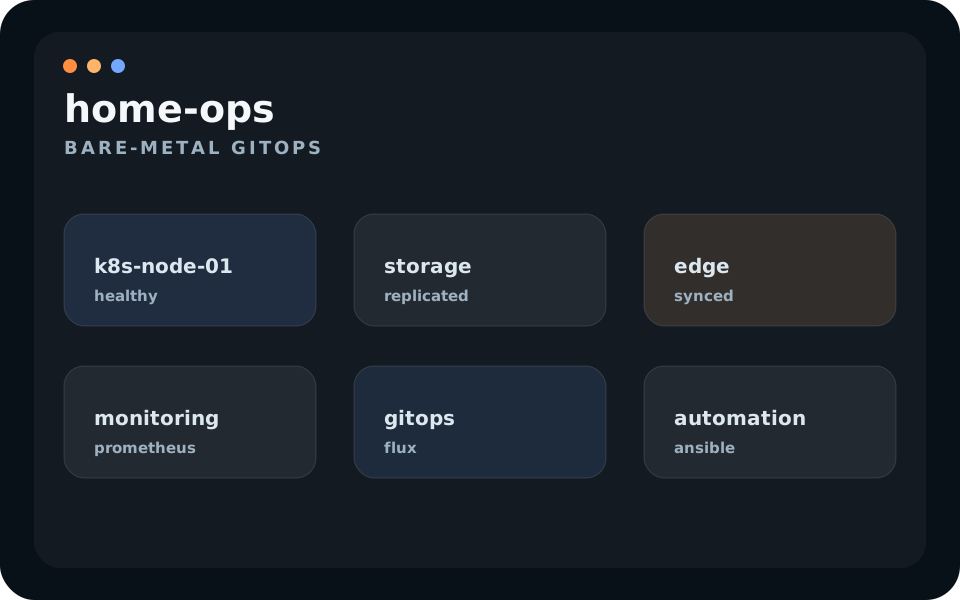
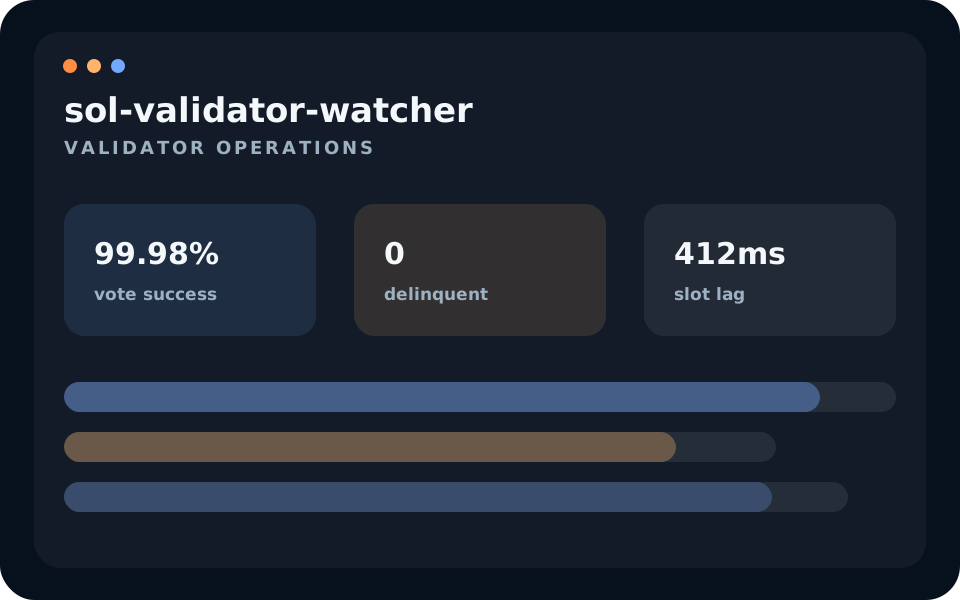
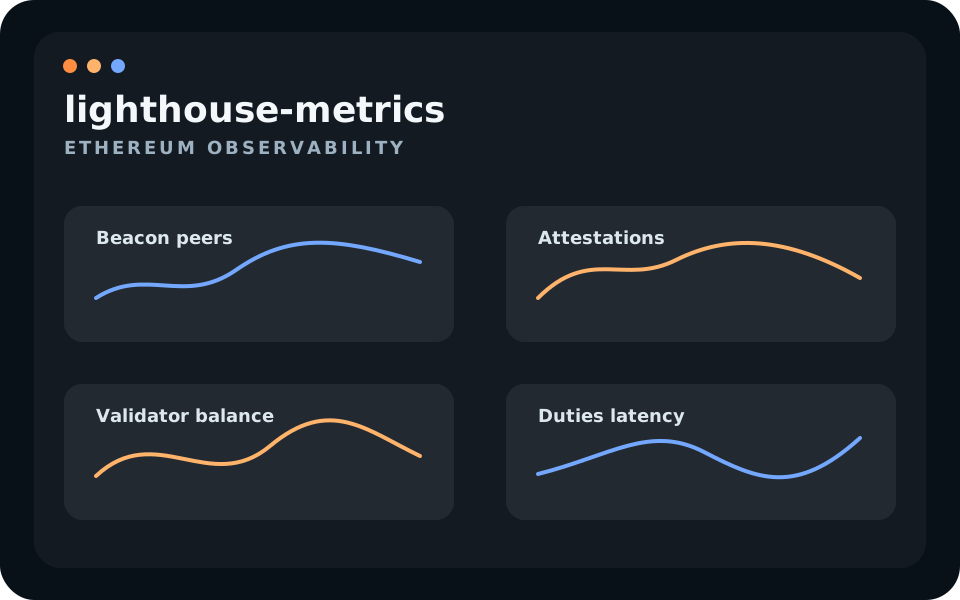
Rust and Go are the languages I use most, particularly for L1 systems and validator clients on Ethereum and Solana. A lot of that work sits close to node operators in critical environments. Private-key handling and enclave design sit next to performance tuning, timing games, and revenue optimisation. I have modified protocols and validator nodes to improve APY and operator returns and introduced features the ecosystems I was building in required. Terraform, Terragrunt, and Ansible are part of my daily infrastructure work. I am usually happiest on the hard technical problems other teams would rather leave alone.
Outside work I like learning languages. French, English, and Spanish are at C1, Danish is at B2, and Korean is at A2 and in progress. I keep learning because I enjoy the process. It also helps me connect with people, understand other cultures, and see things from a different angle.
I have always liked engineering outside software. 3D printing, CNC woodworking, and industrial engineering keep me grounded in hands-on engineering and the discipline of turning ideas into physical things. I bring that practical mindset to my day-to-day setup: writing, tooling, terminals, and keyboards all matter to me, and I keep refining how I work as I learn. I also follow geopolitics closely, especially where it shapes markets, teams, and the financial systems around blockchain.